



John F. Barnes’ Myofascial Release Approach®
Generally myofascial release is a gentle, hands-on therapy that uses sustained pressure and slow, stretching movements to restore mobility in the body’s connective tissue (fascia). By addressing restrictions in the fascial system, this method helps relieve pain, improve range of motion, and restore balance to muscles and tissues.
The John F. Barnes Approach®
Developed by physical therapist John F. Barnes, this method of myofascial release is designed to treat the whole person—not just symptoms—supporting lasting change and long-term healing. Recognized as one of the most respected training approaches for physical and massage therapists, the technique combines gentle, prolonged pressure with the element of time. Together, these allow the fascia to soften and release, reducing restrictions and encouraging healthy circulation of lymphatic and other body fluids.
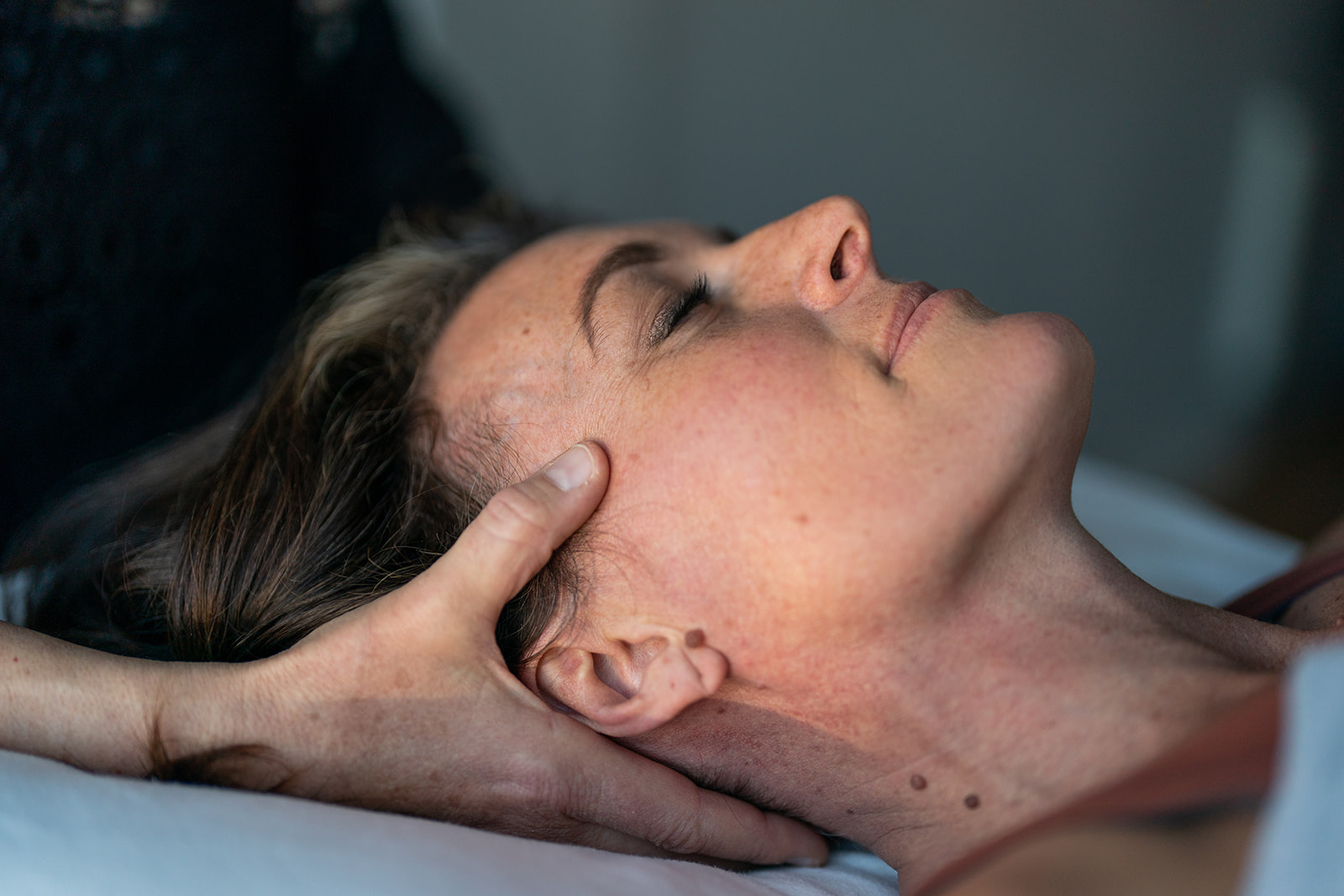
Key Principles of the Barnes Approach
Injury, surgery, or inflammation can create restrictions in the fascia, which is part of the body’s natural defense mechanism. These restrictions, however, can exert enormous internal pressure—sometimes up to 2,000 pounds per square inch—on muscles, nerves, and organs, often leading to pain and limited movement. While pain is usually felt at a specific point, the actual restriction may be located in a completely different part of the body.
Healthy fascia is supple and elastic; when it becomes tight or rigid, therapy is directed at the areas of restriction. Treatment should never be painful, though some therapeutic discomfort can occur as the body begins to release and heal. Constant communication between therapist and client ensures that the process remains safe and effective.
The “time element” in this approach refers to the body’s unique response to gentle, sustained pressure. With enough time, the fascia gradually lengthens and softens—a response linked to the piezoelectric effect, where pressure and fluid flow create measurable changes in tissue. Because the body continues adapting during and after each session, ongoing assessment is an essential part of the therapy process.
This work is done without lotion or topical oils to allow the therapist to sink into the tissues without sliding- thus it is recommended that the client wears shorts, sport bra etc. to allow the therapist access to contact directly with the skin. Avoid use of lotion prior to treatment for best results.